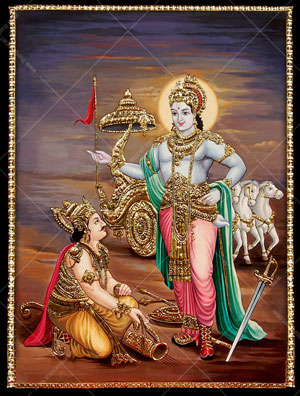
Authentic Tanjore Paintings
Tanjore art, named after the town in South India where it originated, is a distinguished form of artistic expression. Its roots trace back to the Vijayanagara kingdom and flourished further under the patronage of the Nayakas and Marathas after the kingdom's collapse in 1565.
Vijayanagar paintings are characterized by slender figures, intricate features, meticulous attention to detail, and the distinctive presence of a second eye on the subjects. Under the Nayakas' influence, the art form evolved to include rounded limbs, almond-shaped eyes, elaborate attire, and a vivid color palette of red, green, and white backgrounds, adorned with lavish decorations.
The Marathas, being newcomers to the South, upheld the traditional essence of Thanjavur art while incorporating secular themes and European influences into the artistic lexicon. Throughout its evolution, Tanjore art has remained deeply rooted in the ancient Hindu Puranas and epic tales of the Ramayana and Mahabharata, which continue to dominate its narrative.
A fundamental aspect of Tanjore art is its enduring connection with royalty, a testament to the painstaking craftsmanship required to create these aesthetic masterpieces. This artistic tradition has not only survived through the ages but continues to thrive, embodying a rich cultural legacy.